Translation Memory Explained and How It Cuts Your Costs.
16 July, 2024· Article by Beth Smith

Companies that translate content regularly often notice something odd on their invoices. The same sentence appears in a user manual, a brochure and a web page, yet each time it seems to cost the same. Meanwhile, a rival gets a discount for repeated text and delivers faster. The difference usually comes down to one tool: the translation memory. A translation memory stores every approved sentence and its translation, so that repeated or similar text is never translated from scratch. This guide explains what it is, how it saves money and what you should ask your provider.
What a Translation Memory Is
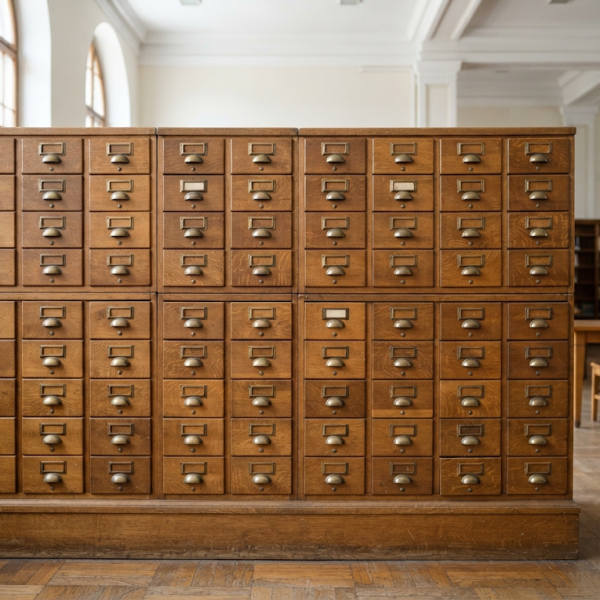
A translation memory is a database that links source sentences to their approved translations. When a translator works in a modern editing tool, the software compares each new sentence with the stored ones. If it finds an identical sentence, it offers the earlier translation. If it finds a similar one, it shows the match with a percentage and highlights the differences. The translator then decides whether to accept, edit or replace the suggestion. The human stays in control, but the tool removes repetition.
Why It Matters for Quality
Consistency is a hallmark of professional writing. Customers who see the same feature described in three ways may think there are three features. A memory makes sure that approved wording returns every time, which is essential for product names, safety warnings, legal clauses and instructions. When a team of translators shares one memory, their work stays aligned even if people join or leave the project. Industry groups such as the Globalization and Localization Association publish resources on tools and standards that support this way of working.
How It Saves Money
Many providers apply discounts to repeated and similar text. A full match may be charged at a low rate or not at all, and partial matches are charged at a reduced rate depending on the percentage. Over a year of updates, manuals and websites that change slightly from version to version can cost far less to maintain. The saving grows as the memory grows, which is why it pays to use the same provider and keep the memory as your own asset.
Speed and Updates
Time is another benefit. When only a few paragraphs change in a long document, the translator needs to focus on the new material. Release cycles shrink from weeks to days, and urgent updates become realistic. This matters in industries where product changes are frequent, such as software, e-commerce and manufacturing. Faster updates mean customers in every market see accurate information at the same time.
Working in Languages With Complex Grammar
Memory tools work in any language, but the match quality depends on how the language behaves. Languages with rich inflection, such as French, may produce fewer exact matches because endings change with gender and number. A specialist offering french translation company will know how to set up the project so that matches are useful, and how to review fuzzy suggestions carefully so that grammar stays correct.
Who Owns the Memory
Ask this question before you sign a contract. Your memory is a record of your approved language, and it has real value. A fair agreement states that the client owns the memory, or at least receives a copy in a standard format such as TMX at the end of each project. This protects you if you change provider and makes it possible to reuse your work with other tools. Do not accept terms that lock your content inside one system.
Cleaning and Maintaining the Memory
A memory is only as good as its contents. Old entries with errors, outdated terms or inconsistent style can spread problems through new projects. Review the memory regularly, remove duplicates and correct entries after a terminology change. Pair it with a glossary of key terms, so that translators have both approved sentences and approved words. A short audit once or twice a year keeps the tool useful and trusted.
Where Automation Fits
Translation memory is one part of a wider movement towards automated workflows. Many teams now connect content systems, memory tools and review steps to reduce manual work. For a broader look at how automation is changing office processes, read this article on AI agents for business automation, which explains where such tools help and where human judgement is still required.
Limits of the Technology
A memory does not understand context. A sentence that was right in a technical manual may be wrong in a marketing text, and a match from an old project may no longer reflect current rules. Good translators review every suggestion in context and do not accept matches blindly. Creative content, slogans and sensitive legal passages often need a fresh approach, even if the tool offers a high match.
Written translation is only one side of language support, because some situations need a person in the room rather than a document. When a council appointment, a medical visit or a school meeting is involved, professional interpreter services make sure both sides are understood in real time. Choosing a provider that handles both written translation and spoken interpreting keeps terminology consistent and saves the effort of briefing two separate suppliers.
Getting Started
Ask your provider whether they use a memory, how they apply discounts and in what format you will receive the file. Send reference material and earlier translations so that they can build the first entries. With a well kept memory, translation becomes cheaper, faster and more consistent with each project, and your content grows into a reliable asset for every market you serve.
Recent Posts

Certified Arabic to English Tr...

Electric Vehicle Charging in G...

Certified Diploma Translation ...

Traduire une recette italienne...

Translating Product Catalogues...

Common Pitfalls in Translating...
Share it.
Links
We use cookies
We use cookies to give you the best online experience, remember your preferences, and understand how the site is used. You can accept all cookies, reject optional ones, or choose which categories to allow.
Privacy PolicyCookie preferences
Choose which cookies we can use. Necessary cookies stay on because the site cannot work without them.
For more details, read our Privacy Policy.